Training for a Multi-Day Gravel Tour: How to Prepare for Back-to-Back Days in the Saddle
Training for a multi-day gravel tour is fundamentally different from training for a race, a century ride, or even a long weekend of riding. The demands are more sustained, the variables more numerous, and the rewards less obvious. You’re not chasing a time or a specific performance metric. You’re preparing your body and mind to perform well over many consecutive days, to handle fatigue accumulation, and to maintain engagement and enjoyment when the reality of the work becomes clear.
Most experienced cyclists already know how to ride far. What they often haven’t trained for is riding far every single day, with limited recovery, across variable terrain, on gravel surfaces. That’s a different animal. It requires a different training approach, different physical adaptations, and a different mental calibration than anything you might have done on road bikes or in the controlled environment of weekend rides.
Whether you’re preparing for a 450-kilometre tour in Tuscany or an 780-kilometre crossing of the Pyrenees, the training principles are the same. But the intensity and duration of specific elements shift dramatically. This guide walks through how to build the fitness that matters—not peak fitness, but sustainable fitness. Fitness that carries you through eight, 10, or 11 consecutive days without breaking down.
The Specific Demands of Touring Fitness
Tour fitness is distinct from race fitness in ways that matter. A race cyclist develops peak power, peak VO2 capacity, the ability to produce intensity on demand. A tour cyclist develops something different: the ability to sustain moderate effort repeatedly, to recover between days, to manage fatigue accumulation, and to maintain performance as workload accumulates.
Race fitness often peaks and then declines because the demands are explosive and short-lived. Tour fitness needs to sustain because the demands are long-lived and cumulative. If you arrive at a tour with peak race fitness, you’ll have good first days and then suffer. If you arrive with solid tour fitness, you’ll pace yourself appropriately and likely finish stronger than you start.
The specific demands include:
Aerobic capacity: The foundation of tour cycling is the ability to sustain moderate aerobic effort—roughly 65–75% of maximum heart rate—for extended periods. This is a zone where you can maintain a conversation, where your body is burning fat efficiently, where you can repeat the effort day after day without cumulative damage.
Muscular endurance: Beyond pure aerobic capacity, you need the muscular endurance to sustain power output over hours. Your legs need to be accustomed to working at moderate intensity for 6, 7, 8 hours without cramping or shutting down. This is developed through repetition, not intensity.
Climbing capacity: Most multi-day gravel tours involve significant climbing. You need to be comfortable sustaining climbing efforts for 45 minutes to 90 minutes regularly. This isn’t sprinting up hills; it’s the ability to maintain a steady climbing pace while managing breathing and effort.
Recovery between days: Your body’s ability to recover from substantial effort and perform again the next day is crucial. Some cyclists have natural recovery; others need to build it. This is trained by deliberately including back-to-back hard days in your preparation.
Mental resilience: Tours have hard days. Days where conditions are difficult, where fatigue is real, where you question the decision to sign up. Mental resilience is the ability to work through these days and still perform well. This is built through experience and through deliberately putting yourself in situations where you’re mildly uncomfortable.
Gravel-specific bike handling: Gravel requires different bike handling than road cycling. You need confidence on unpaved surfaces, comfort managing a bike on loose terrain, and the ability to descend on gravel without excessive caution. This is developed through practice, not through training zones.
How Touring Fitness Differs from Race Fitness
If you’ve trained for races—cyclocross events, gravel races, road races—you’ve developed a different kind of fitness than what a tour requires.
Race fitness emphasizes peak power and the ability to sustain high intensity for specific durations (20 minutes, 90 minutes, 2–3 hours). You develop VO2 capacity, lactate threshold, short-duration power. These are all valuable, but they don’t directly translate to tour fitness. A racer can be dramatically more powerful than a tourer and still suffer on a multi-day tour because the efforts required are different.
Tour fitness emphasizes sustainable power, recovery capacity, and fatigue management. You develop aerobic capacity to a high level, but you’re not developing peak power. You develop the ability to recover between efforts, but you’re not developing the ability to produce explosive efforts repeatedly. The zones you spend time in are lower intensity and longer duration.
The practical difference: a racer might train with hard intervals (5 minutes hard, 2 minutes easy, repeat). A tourer trains with long steady efforts (2–4 hours at conversational pace, then a second ride the next day at the same pace). The racer develops sharpness; the tourer develops durability.
If you’re primarily a racer transitioning to touring, the adjustment is significant. Your power will translate somewhat, but you’ll likely need 8–12 weeks of tour-specific training to feel confident. If you’re primarily a tourer doing a race, the adaptation is easier—you might struggle with the intensity, but the endurance base helps.
Building Base Miles: The Foundation
Base building is the first phase of tour training, and it’s not glamorous. It’s not high-intensity intervals or structured workouts. It’s simply riding consistently, at moderate intensity, building aerobic capacity and teaching your body to sustain effort.
The goal during base building is consistency and volume, not intensity. You’re aiming for 6–8 hours of riding per week, distributed across 3–4 rides. Most of this should be at conversational pace—genuinely conversational, where you can speak full sentences without struggling for breath. This pace is typically 60–70% of maximum heart rate, in the zone where you’re burning primarily fat and training aerobic capacity.
Base building takes 6–8 weeks and should be completed first, before you add intensity or structure. If you’re new to serious cycling training, base building might take 10–12 weeks. The goal is to build a foundation where 60–80 kilometre rides feel normal, not exceptional.
During base building, one ride per week should be a longer ride—your “long ride.” This starts at perhaps 80 kilometres and gradually builds toward 110–120 kilometres. The pace should remain conversational; you’re not racing the long ride, you’re simply riding it.
Base building is when you develop general fitness, learn how your body responds to sustained effort, and build the aerobic engine that everything else depends on. Don’t skip it. Even experienced cyclists need base building; it’s just usually shorter (4–6 weeks) if you’re already fit from other activities.
The Consistency Requirement
The most important factor in base building is consistency. Riding three times per week, every week, for 8 weeks is dramatically more effective than riding hard occasionally or riding sporadically. Your body adapts to repeated stimulus. The stimulus needs to be regular.
If you miss two weeks of training during base building, you’ve essentially reset your progress. If you miss a week, accept that you’ve lost some fitness and potentially extend your base building by that week. Missing training is okay; sporadic training is ineffective.
Back-to-Back Training Days: The Tour-Specific Element
Once you’ve built a solid aerobic base, the next crucial element is back-to-back training days. A tour involves riding hard (or moderately hard) every single day. Your body adapts to this differently than it adapts to single hard efforts. You need to practice it.
Back-to-back training means riding significant distance two days in a row, then recovering, then repeating. This is distinct from racing, where you might have single hard days with recovery days in between. In touring, recovery days are rare or non-existent. Your body needs to learn how to perform on limited recovery.
A practical back-to-back block might look like: Saturday 100 kilometres, Sunday 80 kilometres, Monday recovery ride 40 kilometres or rest, then repeat. The key is that both the Saturday and Sunday rides are at tour intensity (conversational pace, moderate effort), not at maximum effort. You’re not trying to go hard; you’re trying to go moderately hard while managing fatigue.
Include 4–6 weeks of back-to-back training in your preparation. This should come after your base building phase, in the 4–6 weeks immediately before your tour. The goal is to teach your body how to recover, how to maintain performance across consecutive days, and how to manage the mental aspect of fatigue.
Back-to-back training is where most of the tour-specific adaptations happen. Your body learns to clear lactate more efficiently, to maintain aerobic capacity despite fatigue, to recover enough between days to perform again. This is why it’s non-negotiable in your preparation.
Nutrition During Back-to-Back Days
Back-to-back training also teaches you about nutrition. After a 100-kilometre ride, you need to eat to recover. A light snack isn’t sufficient; you need actual food. Protein, carbohydrates, fats—real nutrition. Then you wake up the next day and do it again.
This is where you experiment with what actually works for your body. Some cyclists need high-carb meals after riding; others need more protein. Some digest food quickly; others struggle if they eat too much. These are things you discover through back-to-back training, not through theory. By the time you arrive at your tour, you should know exactly what you need to eat to recover adequately.
Climbing-Specific Training
Most multi-day gravel tours involve climbing. Some tours (like Tuscany) involve very significant climbing. If climbing is a weakness, you need to address it specifically in your training.
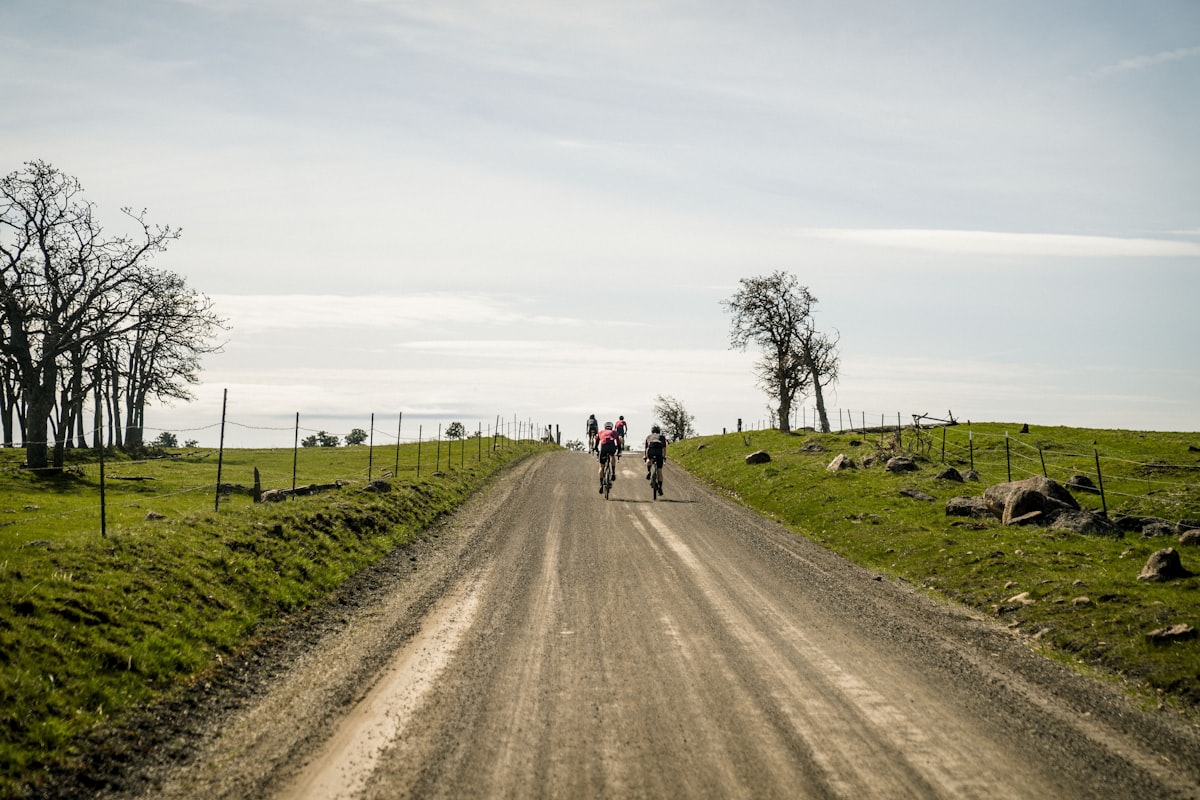
Climbing fitness is developed by climbing. There’s no substitute. You need to regularly ride hills, practicing the specific effort that climbing demands. The key is to focus on sustained climbing efforts (20–45 minutes at steady effort) rather than short, punchy climbs. Tour climbing is about sustaining effort, not producing peak power.
If you live in flat terrain, climbing training is challenging. You might need to do hill repeats on whatever hills you have access to, even if they’re small. If you have access to better terrain, occasionally (every 2–3 weeks) do a longer, sustained climb at tour pace. The goal is to develop the muscular endurance and aerobic capacity to sustain climbing for extended periods.
A climbing-specific session might look like: warm up 20 minutes, then climb steadily for 45 minutes at a pace where you’re working hard but can still maintain a steady effort, then descend and recover. Do this once per week or every 10 days, in the 6–8 weeks before your tour.
If you’re particularly worried about climbing (if it’s a genuine weakness), consider doing a second, shorter climbing session per week. But avoid the trap of trying to go hard on climbs during tour training. Your goal is sustained effort, not peak power. Hard climbing efforts have a place in race training; they don’t have a place in tour training.
Gravel Riding and Technical Skills
If you’re transitioning to gravel cycling from road cycling, you need time to develop confidence on unpaved surfaces. This isn’t something you develop in the two weeks before your tour; it’s something you develop over months of riding.
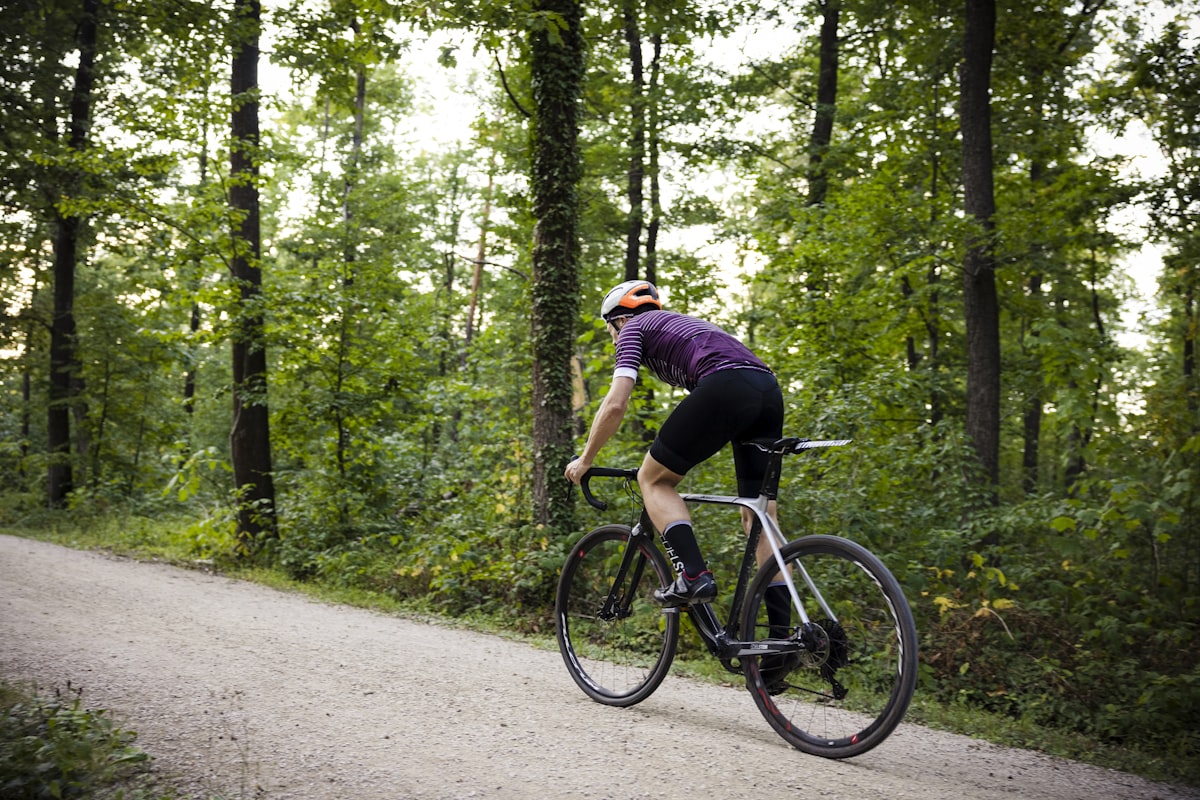
Start incorporating gravel into your base-building phase. If you have access to gravel routes, do your long rides on gravel. Do your recovery rides on gravel. Get comfortable managing a gravel bike in varied conditions. Ride in damp conditions, rough conditions, whatever you have access to locally.
Specific technical skills to practice:
Descending on gravel: Practice riding steep gravel descents at moderate speed. Learn how your bike and tires feel on loose surfaces. Develop confidence managing speed without excessive braking. This skill is developed through repetition, and it takes time.
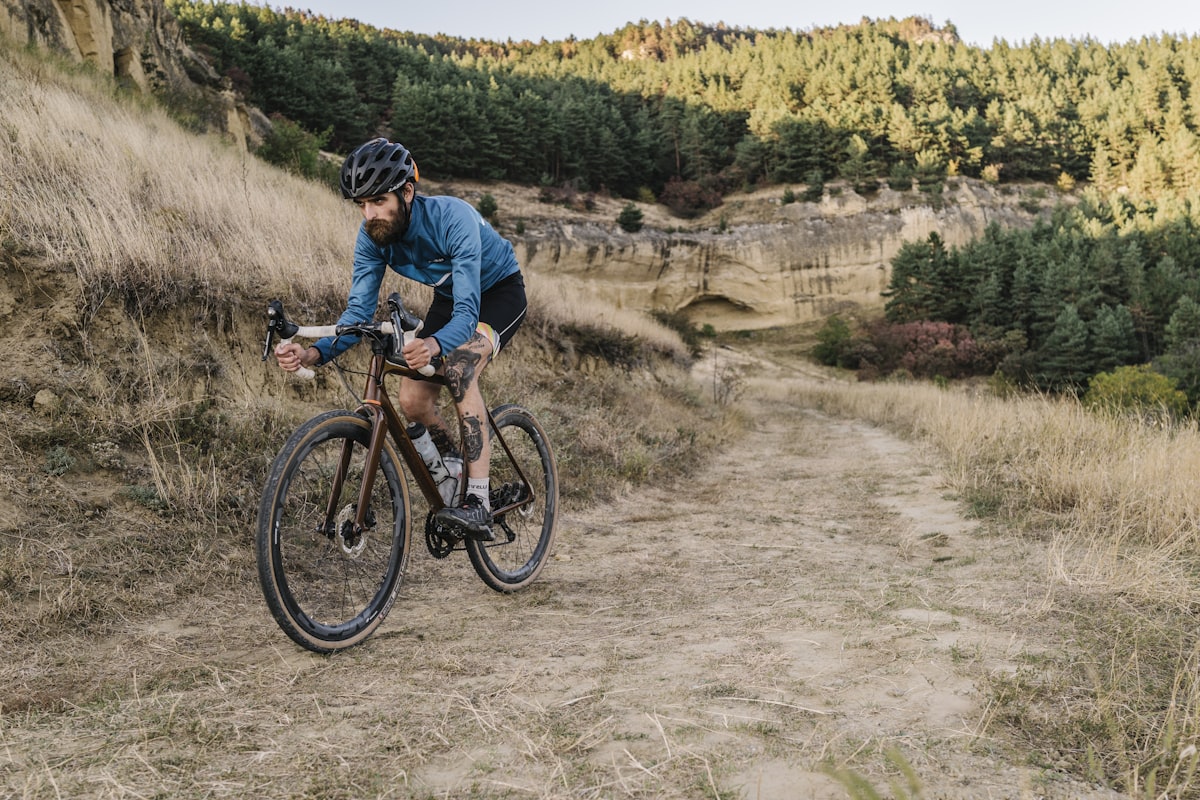
Climbing on gravel: Gravel climbing requires slightly different technique than road climbing. You need to find the line that offers the best traction, sometimes moving left or right to find a more solid surface. Practice this.
Line selection: Reading terrain ahead and choosing the line that offers the best grip and the smoothest surface is a skill. Develop it through practice, not by thinking about it.
Tire pressure management: Different gravel surfaces require different tire pressures. Learn what pressures work best for your bike and tires in various conditions. This is something you discover through experimentation, and it’s worth getting right before your tour.
A 12-Week Training Plan Structure
Here’s a rough structure for 12 weeks of tour-specific training. Adjust based on your starting fitness and specific tour demands.
Weeks 1–6: Base Building
Three rides per week: recovery ride (40–50 km), moderate ride (60–80 km), long ride (80–120 km, gradually building). All at conversational pace. Total volume: 6–7 hours per week. Include gravel riding where possible. Focus on consistency.
Weeks 7–10: Back-to-Back Training
Four rides per week: recovery ride (40–50 km), moderate ride (60–80 km), back-to-back rides Friday-Saturday or Saturday-Sunday (80–100 km each day). One climbing-specific session per week. Total volume: 7–9 hours per week. The back-to-back days are the focus; the other days support recovery and climbing development.
Weeks 11–12: Taper and Focus
Reduce volume slightly but maintain intensity. Do one back-to-back session in week 11 (80 + 70 km), then reduce volume in week 12 to allow for recovery and freshness. The goal is to arrive at your tour well-rested but not detrained.
Flexibility in Planning
This structure is a template, not a prescription. If you’re very fit already, you can compress the base building phase. If climbing is particularly challenging, you might add a second climbing session. If you have very limited access to gravel, you might extend your time on unpaved surfaces.
The key principles remain consistent: build base fitness through volume and consistency, then develop back-to-back capacity through deliberate back-to-back training, then taper slightly to arrive fresh but trained.
Managing Fatigue and Recovery
Tour training is not about accumulating fatigue; it’s about managing it. You want to arrive at your tour fresh and trained, not accumulated-fatigue tired.
Recovery happens through several mechanisms: sleep (priority: 7–9 hours per night if you’re training seriously), nutrition (eating appropriate amounts of protein, carbohydrates, and fat), and actual recovery days (easy riding or complete rest). Most amateur cyclists underestimate the importance of sleep and nutrition. They are the single biggest limiting factors in how much training you can handle.
Include one complete rest day per week. Don’t ride at all. This isn’t laziness; it’s a requirement. Your body adapts during rest, not during training. Without genuine rest, you accumulate fatigue and increase injury risk.
Include one easy/recovery day per week. This is a ride at very easy pace (50–55% maximum heart rate), typically 30–40 kilometres, where you’re just spinning and promoting recovery. The purpose is circulation and mental engagement, not fitness development.
Monitor your resting heart rate. If your resting heart rate is elevated (5–10 bpm higher than usual), you’re likely underrecovered. Either reduce training volume or add an additional recovery day. Listening to your body’s signals prevents overtraining.
Injury Prevention
Tour training, particularly back-to-back training, increases injury risk. The most common injuries are overuse injuries: knee pain, lower back pain, neck strain. These develop from repeated stress without adequate recovery.
Prevent them through: proper bike fit, strength training (particularly core and glute work), flexibility work, and genuine recovery. Spend 10–15 minutes twice per week on strength training. Focus on squats, lunges, planks, and glute bridges. These build the stability that prevents injury.
If pain develops during training, address it immediately. A small knee twinge can become a major problem if ignored. Rest, assess, potentially see a professional. It’s far better to miss a week of training and heal than to push through and arrive at your tour injured.
What Fitness Level Is Realistic?
Different tours demand different fitness levels. Understanding what’s reasonable helps you set realistic expectations.
For an 8-day tour with moderate climbing (Tuscany): You need to be able to ride 80–100 kilometres regularly, handle 1200–1500 metres of elevation gain daily, and sustain this for consecutive days. A base of 5–6 hours of riding per week, with some elevation included, is sufficient. 12 weeks of training is reasonable.
For an 11-day tour with significant climbing (Trans Pyrenees): You need to be able to ride 100–120 kilometres regularly, handle 1400–1700 metres of elevation gain daily, and sustain this for nearly two weeks. A base of 7–8 hours of riding per week is necessary. 14–16 weeks of training is realistic.
If you’re new to serious cycling: Expect to need 16–20 weeks of training. Your body is learning how to adapt to sustained training; everything takes longer.
If you’re a experienced cyclist but new to gravel touring: 10–12 weeks is probably sufficient. Your fitness base transfers; you mainly need to develop gravel-specific confidence and back-to-back capacity.
If you’ve done multi-day tours before: 10–12 weeks is enough, even if the tour is significantly harder than previous tours. Your body understands the demands; you’re building specific fitness for this specific tour.
What Not to Do
A few common mistakes in tour training:
Don’t do hard intervals: Hour-long blocks of threshold training or VO2 intervals don’t develop tour fitness. They develop race fitness. Save hard intervals for racing. Tour training is fundamentally low-intensity and high-volume.
Don’t skip back-to-back training: This is the single most important element. If time is limited, reduce long-ride distance but maintain back-to-back training. Back-to-back training is irreplaceable.
Don’t train inconsistently: Sporadic training doesn’t work. Consistency is everything. Three rides per week, every week, for 12 weeks is dramatically more effective than six rides for 6 weeks.
Don’t neglect recovery: Training is the stimulus; recovery is when adaptation happens. Sleep and nutrition matter as much as the riding. Treat recovery seriously.
Don’t arrive at your tour fatigued: Taper appropriately in the final 2 weeks. Arrive fresh, trained, and ready. Arriving tired doesn’t help anything.
Why This Matters
Tour training is not about becoming a racer or chasing performance metrics. It’s about arriving at your tour prepared to enjoy the experience fully. A trained cyclist finishes each day with energy to explore, to eat well, to sleep well, and to wake up ready to ride again. An undertrained cyclist finishes each day exhausted, questioning decisions, and merely surviving.
Training properly transforms the experience. It allows you to ride at a sustainable pace rather than struggling. It allows you to appreciate the landscape rather than just count down the kilometres. It allows you to engage with other riders, guides, and the places you’re passing through. This is why the training matters.
The good news is that tour fitness is accessible to most serious cyclists. You don’t need to be a genetic outlier or a former professional. You need consistency, appropriate structure, and genuine commitment to recovery. These are within reach.
Ready to Train and Ride?
Whichever Gravel Adventure tour you choose, the training approach is the same: build a solid base, develop back-to-back capacity, practice the specific demands of your tour, and arrive fresh and trained. The structure in this guide works whether you’re targeting Tuscany, the Pyrenees, Cyprus, or Scotland.
Start your training now if your tour is 12+ weeks away. Build consistently, add back-to-back training 6–8 weeks before your tour, then taper appropriately. By the time you arrive at your starting point—whether it’s a small coastal town or a Basque mountain city—you’ll be ready. Your legs will know what to do, your mind will be prepared, and you’ll be able to focus on the experience itself rather than just surviving it.
The training is the foundation. Everything else—the scenery, the food, the other riders, the sense of accomplishment—is built on that foundation. Train properly, and the tour becomes everything it should be.