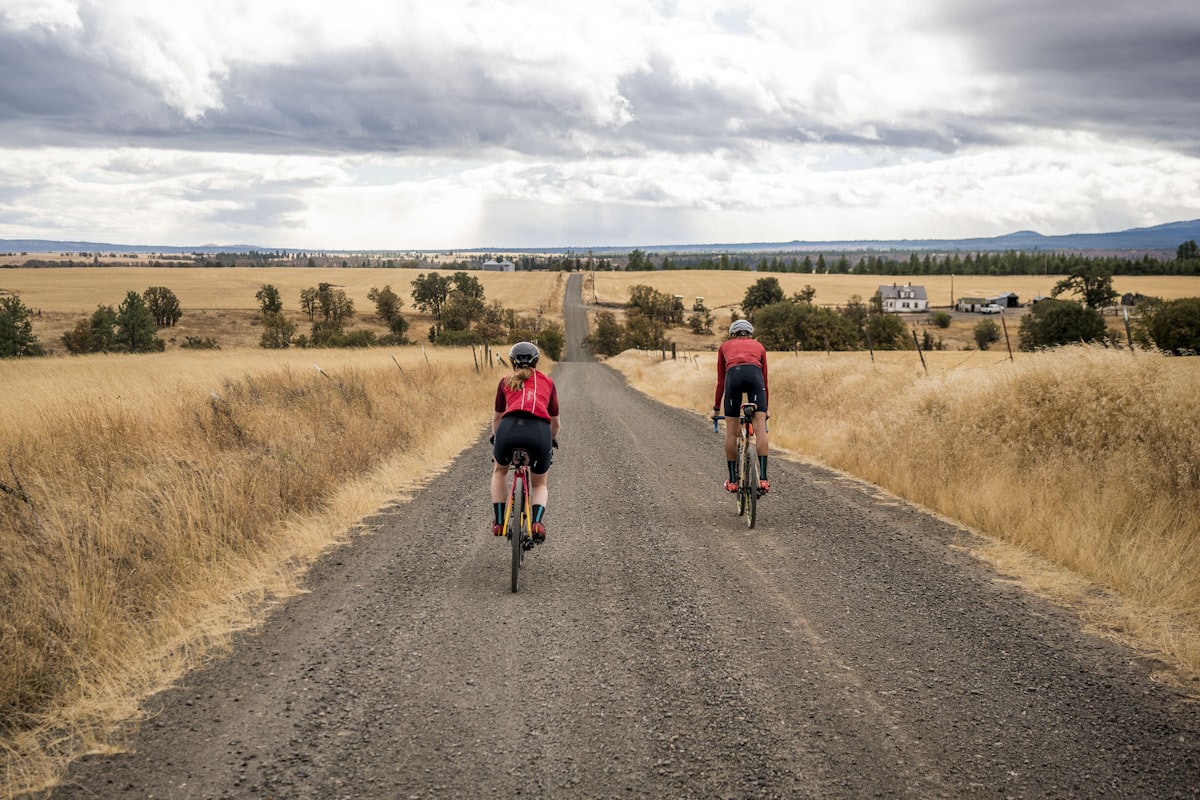
Gravel Cycling in Tuscany: Through the Apennines to the Heart of Italy
There’s something about Tuscany that calls to cyclists. Perhaps it’s the light—golden and long in the afternoons—or the way the landscape rolls with a purpose, each valley flowing naturally into the next. Tuscany is not gentle. It’s a region built on hills, on the bones of ancient mountains. The Apennines cut across it like a spine. These are the roads that gravel cycling was made for: long gravel tracks climbing through forests, white roads (strade bianche) that have carried travellers for centuries, mountain passes that test your legs and reward your lungs, all woven together with the kind of scenery that makes you stop pedalling just to look.
If you’ve spent the last few seasons riding in Denmark—flat, fast, reliable—Tuscany gravel offers something fundamentally different. This is climbing. This is riding through layers of landscape, where the surface changes beneath you constantly, where villages cling to hilltops and vineyards terrace the slopes. A hotel-to-hotel gravel cycling tour in Tuscany puts you in the heart of this landscape for eight days, with the logistics handled so you can simply ride, eat, and sleep in some of the most beautiful countryside in Europe.
Why Tuscany Is a Destination for Gravel Cyclists
Tuscany has become something of a pilgrimage for gravel cyclists over the last decade, but not because it’s fashionable. It’s because the riding here is genuinely excellent. Unlike some regions that marketed themselves as gravel destinations after the fact, Tuscany’s road and track network developed naturally over centuries. The white roads (strade bianche) aren’t new. They’re the bones of the regional road system—historically the main routes between towns before asphalt was laid. That means they’re purposeful, direct, and engineered well enough to have survived millennia of use.
The terrain variety is another reason Tuscany stands out. A single day’s riding might include gravel climbs through chestnut forests, long white-road descents with views across multiple valleys, kilometres of packed earth tracks through vineyards, and technical rocky sections that demand attention. You’re not just riding from point A to point B; you’re moving through a landscape that shifts continuously—both geographically and tactilely.
Then there’s the scale of it. The Apennine range runs like a backbone through Tuscany, and if you’re riding gravel in the region, you’re riding with the mountains as a constant presence. Some routes follow the ridgelines. Others climb toward them and then drop into the valleys beyond. This creates a particular rhythm to riding here: sustained climbing, expansive descents, the constant sense that you’re navigating by topography.
The Surfaces and What to Expect
Gravel in Tuscany comes in several distinct flavours, and understanding the differences helps you mentally prepare for the riding. The strade bianche are the most famous—unpaved roads with a distinctive white appearance from their compressed gravel and limestone surface. They’re usually rideable at speed, firmer than many gravel roads in Northern Europe, though rain can make them slippery. Most of the well-established routes use strade bianche as their backbone, often for long, flowing sections that trade off technique for pure distance.
Beyond the famous white roads, you’ll encounter packed earth tracks through the vineyards of Chianti and Val d’Orcia. These vary in condition depending on the season and recent weather. In good conditions, they’re fast and smooth. After rain, they can be rutted and demanding. The upper sections—higher into the mountains—tend to be rockier, with more significant drainage channels cut into the surface. This is where riding technique matters. You need to pick your line, trust your positioning, and sometimes slow down enough to feel what the surface is doing.
And then there are the climbs. Many of the longest climbs in Tuscany gravel tours are paved, or at least start paved before transitioning to gravel higher up. This is partly practical—villages cling to hilltops and have proper roads—and partly environmental. The switchbacks through densest forest are often paved for traction and erosion control. So expect a mix: some climbs will be pure gravel, others will be a blend of asphalt and gravel, with transitions that force you to adapt your mindset from smooth to technical.
The Apennine Crossing and Mountain Passes
The Apennines are old mountains, worn down by time and weather, but they’re still serious. A gravel tour through Tuscany will include multiple passes—some famous, some less known. Passes like Passo della Raticosa, Passo della Colla, and routes over the ridgelines between Tuscany and Emilia-Romagna, are significant climbs, typically 1200–1500 metres elevation gain in a single day of riding.
What makes Apennine passes different from Alpine climbing is the landscape. You’re not climbing above the tree line. Instead, you’re climbing through forests of beech and chestnut, often in shade, with visibility limited to the next switchback or the section of track immediately ahead. The sense of progress is less obvious than climbing an Alpine pass, where you can see the distance gained. You know you’re climbing—your legs tell you—but the feedback is slower, quieter.
The descents from these passes are where the gravel really shines. Long, winding gravel roads dropping 500–800 metres in elevation, with views opening up as you lose altitude and emerge from the forest. Riding these descents on gravel requires a different approach than road descending. You need to trust your bike, brake less aggressively, and let momentum carry you where it can. For experienced riders, these sections feel less like racing and more like flow state—the road twists, your arms manage small corrections, your eyes are always tracking ahead.
The Landscape Rhythm: Days of Climbing, Valleys, and Vineyards
One of the most rewarding aspects of riding in Tuscany is how the landscape teaches you to read terrain. You’re not riding an abstract route on a map; you’re following the contours and connections of a real region where humans have lived and worked for millennia.
The climbing in Tuscany tends to be sustained rather than explosive. Days often start with a long, gradual rise—perhaps 500–700 metres of gain spread over 30–50 kilometres—which builds your legs but doesn’t destroy them if you’re pacing conservatively. These slower climbs have a meditative quality. You find your rhythm, settle into a cadence, and let the kilometres accumulate. Then comes a descent that gives your legs a break and lets you recover before the next climb. The day typically finishes at a village perched on a hilltop, where the day’s work is rewarded with a hotel, a shower, and food.
The valleys between climbs are where you get to breathe and where Tuscany’s farming landscape becomes your cycling companion. Chianti, with its rows of Nebbiolo and Sangiovese vines, creates a landscape of colour and pattern. Later in the season, the vineyard terraces can look almost abstract from certain angles—parallel lines of green and brown stretching across the slope. Val d’Orcia, further south, has a different character entirely: broader valleys, warmer tones of earth, cypress trees marking the boundaries of estates. These aren’t just backdrops. They’re functional landscapes that influence the riding—the tracks between vineyards are often smooth and purposeful, connecting the farms in efficient lines that, fortunately, also happen to make excellent gravel routes.
The white roads themselves become part of the experience. In clear light, they almost glow against the darker soil. In cloudy conditions, they fade into the landscape like old scars. Riding them is a process of discovery—each curve ahead could lead to a new vista, a hamlet you didn’t know existed, or a sudden drop into a valley you’d been climbing toward.
Food, Wine, and the Culture of Cycling
Tuscany is a region where food and cycling naturally intersect, though perhaps not in the romantic way guidebooks sometimes suggest. The reality is simpler and more grounded: you’ll be hungry after riding 80–100 kilometres through hills, and Tuscany has excellent food.
The towns and villages where hotel-to-hotel tours base themselves are small, agricultural communities that haven’t been entirely transformed by tourism. The restaurants serve local food because it’s what they cook—wild boar ragu, bistecca alla fiorentina, ribollita, fresh pasta with seasonal vegetables. The wine is what grows in the surrounding hills. None of this is exotic or precious. It’s practical food, designed to fuel people who work physically, which is exactly what you need after a day in the saddle.
What makes this part of the experience significant isn’t Instagram-worthiness. It’s the rhythm of the days. Breakfast before riding, lunch in a small town (often simple: a panini, some cheese, fruit), then riding to the evening destination where you shower, rest an hour, and sit down to a proper meal. The food becomes fuel rather than decoration, and the quality of that fuel—produced locally, seasonal—makes a noticeable difference in how you feel the following day.
Cycling culture in Tuscany is present but quiet. The region has a road cycling heritage—the Giro d’Italia has passed through the Apennines many times. But gravel cycling is newer to Tuscany, more recent than the Italian cycling classics. This means the gravel routes exist but aren’t crowded, and the local understanding of what gravel cyclists need is less developed than in, say, Switzerland or California. Which, paradoxically, is part of the appeal. You’re discovering these routes rather than following a well-trod path, even if guides have been testing them for years.
When to Ride: The Best Seasons
Timing matters significantly in Tuscany. Spring (April–May) and autumn (September–October) are the classic seasons, and for good reasons. The temperature is moderate, the light is generous, and the gravel surfaces are typically in good condition.
Spring arrives late in the Apennines. April can still bring unpredictable weather—rain showers that turn the white roads slippery, cool mornings that need a jacket for the first hour of riding. May is more settled. The light is long, with decent daylight until 8 pm. The air is clear, and the landscape is fresh. If you’re sensitive to heat, spring is preferable; the mountains and higher elevations keep temperatures honest.
Autumn brings warmth but less consistently. September and early October are excellent—still warm, but typically drier than spring, with that quality of light that makes every landscape look painterly. Later October and November risk rain and the first signs of winter on the higher elevations. Some passes can get snow by late November, which is unusual but not unheard of.
Summer (July–August) is generally too hot for sustained climbing if you’re not acclimated. The Apennines aren’t high enough to be cool at elevation, and the valleys can be genuinely hot. This is also peak tourist season, which affects accommodation and restaurant availability. Winter is possible but demanding—the higher passes can be snow-covered, and accommodation options thin out considerably.
Weather and Gravel Conditions
Gravel in Tuscany transitions dramatically with weather. The white roads are semi-paved and fairly stable in dry conditions, but rain turns them into something more technical and slippery. The packed earth sections through vineyards can become rutted after heavy rain. The highest passes can accumulate snow or ice if temperatures drop at elevation.
This argues for autumn over spring in many years—autumn weather in Tuscany tends to be more stable, with less afternoon thunderstorm activity than spring. But autumn also means shorter days. You’re starting rides in lower light, and reaching your destination at dusk. Both have their appeals depending on your preference.
The Physical Demands: Climbing, Duration, and Fitness
A Tuscany gravel tour is not a casual week on easy terrain. You’re climbing consistently, often reaching daily elevations around 1200–1500 metres across 80–120 kilometres of mixed surface riding. This is serious work, and it requires preparation.
The typical daily distance is 80–100 kilometres, with variants available depending on fitness and preference. The elevation gain tends to be front-loaded in many routes—the first few days tackle the biggest climbs, then later days often have slightly less elevation but might be longer in distance. This structure helps groups acclimatize to the terrain and build confidence before the harder mountain passes.
What’s important to understand is that Tuscany gravel climbing is steady rather than explosive. There are few short, punchy climbs. Most climbs last 30–60 minutes of sustained effort. This means you need to be comfortable sustaining moderate effort for extended periods. If you can ride 90 minutes at a conversational pace on variable terrain in Denmark, you’re probably starting from a reasonable fitness base.
The descent work, conversely, is about control and technique. You don’t need to be able to descend fast, but you do need to be comfortable controlling a bike on loose, sometimes rocky surfaces while managing speed over several kilometres. This is easier to develop through practice than pure climbing fitness.
Building Specific Fitness for Tuscany
If you’re planning a Tuscany tour and you know climbing is challenging for you, consider building a 8–10 week training block before the trip. Focus on:
Sustained climbing: Ride hills of 20–45 minutes duration regularly, at a steady effort below your lactate threshold. The goal is to develop aerobic capacity and muscular endurance, not power. Spend time riding your steepest local climbs repeatedly if possible.
Back-to-back days: The tour involves eight consecutive days of riding. Your body adapts to consecutive days differently than individual hard efforts. Include back-to-back riding in your preparation, even if each individual day isn’t particularly difficult.
Varied terrain practice: If possible, ride gravel or unpaved surfaces regularly before the tour. This develops bike handling and helps you understand how your specific bike and tire combination behaves on loose surfaces.
Low-level intensity: Most of your training should feel conversational. Tuscany climbing isn’t about intensity; it’s about duration and steady effort. Arriving with high VO2 power isn’t particularly helpful; arriving with rock-solid aerobic fitness is.
The Hotel-to-Hotel Experience
Hotel-to-hotel tours remove certain logistics friction from touring. Your accommodation is pre-booked, so each evening you know where you’re sleeping. Your luggage is transported, so you’re not carrying 15 kilos of gear. Your route is planned, tested, and marked. A support vehicle is tracking your progress and ready to assist if mechanicals or fatigue become problems.
What this means practically is that you can focus on the riding and the experience without the overhead of route-finding, luggage management, or accommodation hunting. You can take a photo without worrying you’ll lose the light before reaching your destination. You can relax over dinner without scanning the map for the next day’s logistics.
In Tuscany, hotel-to-hotel riding often means staying in 3- or 4-star hotels in small towns—not luxury but genuine comfort. Rooms are clean, showers are hot, and meals are prepared by people who cook for locals, not tourists. The breakfasts are European and straightforward. The dinners are serious meals, often with multiple courses. Wine is readily available, usually from the region you’re riding through.
The social element depends on the group. Some hotels-to-hotel tours gather the whole group for dinner; others give you flexibility. You’ll meet the guides and the support crew daily. You’ll meet other riders. But you’re also free to have quiet evenings, to eat alone, to rest if you need to. The structure is there, but it’s not rigid.
Beyond the Bike: What to Bring, How to Prepare
Packing for a Tuscany gravel tour requires thinking through the variables: temperature swings (morning cool, afternoon warm), gravel surface conditions (clean vs. wet), and the reality that you’ll be riding in someone else’s landscape with their rules and norms.
Bike setup matters. Tuscany isn’t technical terrain in the mountain-bike sense, but it’s variable enough that your tire choice, suspension settings (if applicable), and braking feel all affect how the days go. Wider gravel tires (45–50mm) are popular here because they roll well on the white roads while providing enough compliance for the rockier sections. The geometry of the landscape means you’re not locked into one ideal tire width; most good gravel setups perform reasonably across the range of surfaces you’ll encounter.
Beyond equipment, think about mental preparation. Tuscany gravel cycling is a shift from cycling you might do at home. The climbing is more consistent, the surfaces less familiar, the landscape less controllable (weather, for instance). Arriving mentally ready to adapt rather than to execute a specific plan makes a significant difference in enjoyment.
And consider your dietary needs. Italy has excellent food, but options can be limited in small villages. If you have specific preferences or restrictions, it’s worth communicating these in advance with your tour organizer.
The Intangible Rewards
What makes Tuscany gravel cycling memorable isn’t typically a single moment. It’s the accumulation of small things: the sound of your tires on the white roads, the light at golden hour, the rhythm of climbing and descending, the taste of the food, conversations with other riders about what you’ve all experienced, the strange calm of being fully present in one place for eight days without checking your email.
It’s also the understanding that comes from moving through a landscape slowly. You don’t see Tuscany from a train window or a car; you see it kilometre by kilometre, climb by climb. You understand the geography in your legs and your lungs. You come to read the landscape—why the villages are where they are, why the tracks run the way they do, how the farming shapes the riding.
For experienced riders, particularly those who’ve spent years on road bikes or even mountain bikes, a gravel tour in Tuscany offers something different. It’s not competition or training. It’s a way to ride that feels closer to exploration than athletics—which, if you’re in your fifties or sixties, might be exactly what you’re looking for.
Ready to Ride?
Gravel Adventure’s Tuscany tour is built on years of testing, route development, and understanding what makes these eight days work. The Apennines, the white roads, the vineyards, the climbs, and the descents have been chosen to create days that are challenging but achievable, scenic but not precious, and quintessentially Tuscan without being touristy.
If you’re ready to experience gravel cycling at the level it was meant to be ridden—on real roads, through real landscapes, at a pace that lets you notice where you are—Tuscany is waiting. Bring your climbing fitness, your willingness to adapt to varied terrain, and your appetite for excellent food. Eight days of riding through the heart of Italy, one white road at a time.