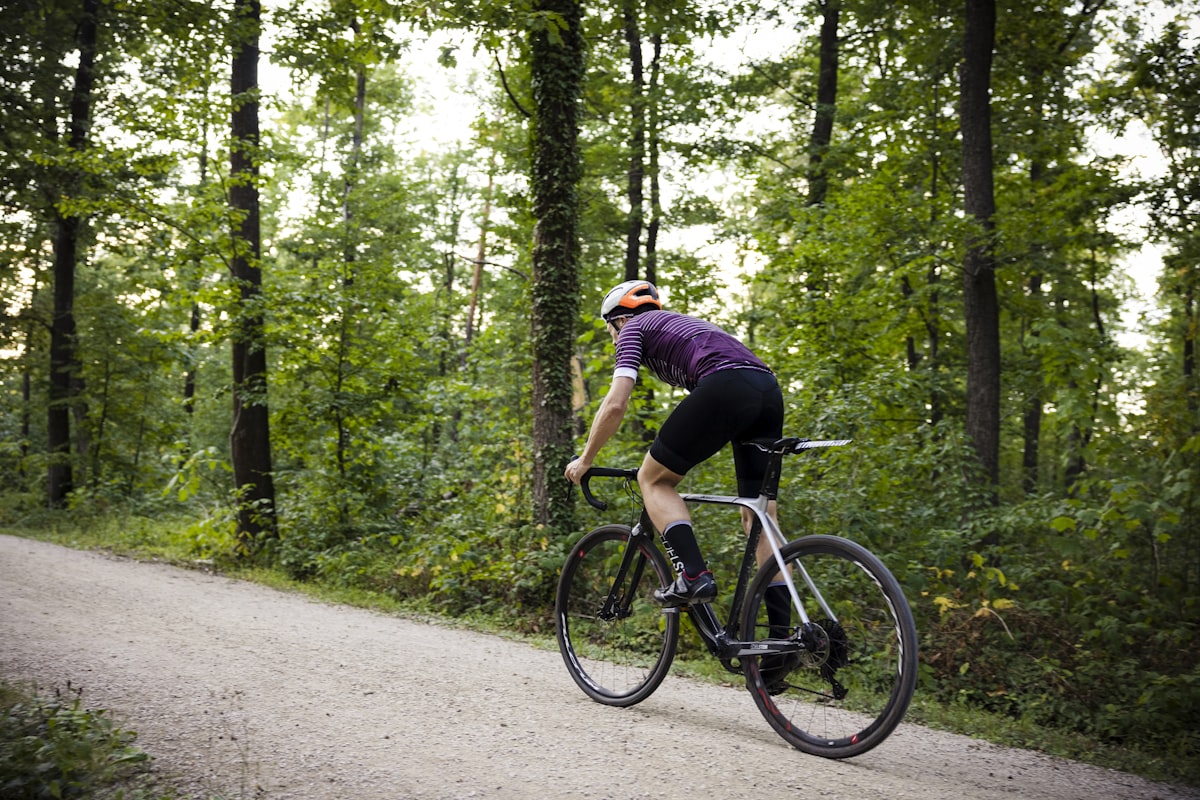
How to Choose a Supported Gravel Tour: Finding the Right Adventure for Your Skills and Goals
Gravel cycling has exploded in popularity over the past five years, and the options for supported gravel tours have expanded dramatically. But with that expansion comes choice—and choice creates confusion. Which tour matches your fitness level? Which destination appeals to your sense of adventure? How do you know if you are ready for a multi-day tour? How do you choose between a guided tour and a GPS-navigated independent experience?
The decision is personal. It depends on your fitness, your experience, your budget, your schedule, and what you are seeking from a cycling holiday. But there is a framework you can use to think through the choice systematically. This guide walks you through that framework, using real Gravel Adventure tours as examples.
First: Assess Your Fitness Level
Fitness is the foundation. A supported gravel tour removes logistical stress—you do not have to worry about finding accommodation, carrying luggage, or planning routes. But it does not remove physical demand. You still need to ride your bike for 80–120 kilometres per day for consecutive days, often with significant elevation gain.
Be honest about your current fitness. If you ride three times per week and your longest regular ride is 60 kilometres, you are not ready for an 11-day, 780-kilometre Pyrenees tour. You are probably ready for the Algarve (300–350 km over eight days, modest elevation) or Tuscany (450–600 km over eight days, significant but not extreme climbing). If you ride regularly and have completed several centuries or multi-day tours, the Pyrenees, Trans Alp, or South Africa become realistic targets.