Gravel Cycling in the Alps: A Guide to the Trans Alp Gravel Route
The Alps are the iconic cycling destination in Europe. Riders dream of climbing famous passes, of descending into valleys, of moving through a landscape that shifts from rolling foothills through dense forests to high-altitude plateaus where the air is thin and the view endless. The Trans Alp Gravel route brings this classic cycling dream into the gravel world, crossing from one side of the Alps to the other on a network of gravel roads, dirt tracks, and minor paved roads that avoid the main highway corridors.
This is an 8-day, 380–440 kilometre crossing. It is not the easiest gravel tour—the Alps demand respect, and the elevation is significant. But it is a tour built around the sheer drama and beauty of the Alpine landscape, where you experience the mountains as a true alpine crossing rather than as a series of peak-bagging climbs. The route moves through different Alpine regions—the Dolomites, the Stelvio area, the Garda region—each with its own character and challenges.
Gravel Roads in the Alps: Finding the Quiet Routes
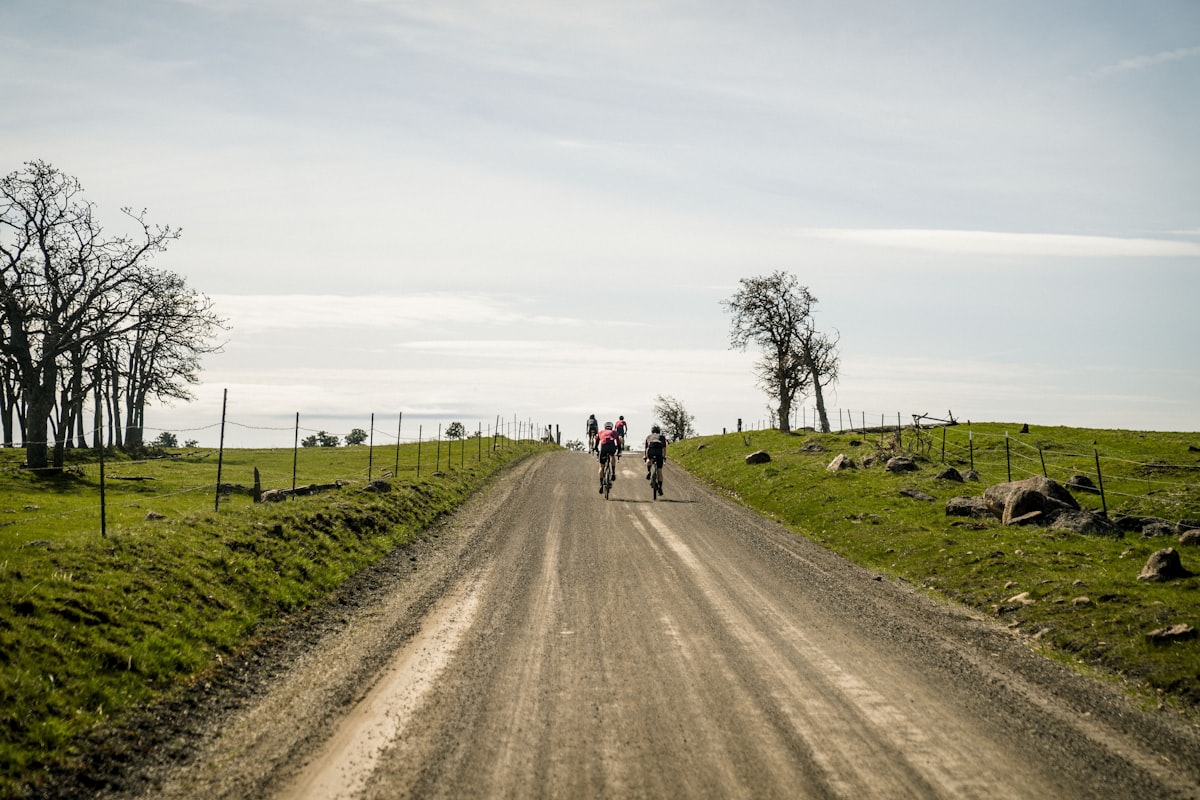
The Alps are crisscrossed with dirt roads and gravel tracks maintained by forestry services, mountain farmers, and local authorities. Many of these routes existed for centuries before cars—they are droving roads, trade routes, access tracks to mountain pastures. Modern cyclists can ride these same routes, and in doing so, experience the Alps as they were travelled before paved highways.
This has advantages and challenges. The roads are often quiet and beautiful, climbing steadily through meadows and forests toward high passes. But they are also rougher than the gravel roads found in lower regions. Loose stone is common on steeper sections. Some roads are technical. You need a gravel bike with good clearance, reliable brakes, and a rider with solid bike-handling skills. A rigid fork can work, but suspension helps significantly.